
Sport plays a special role in Australian culture. From weekend games at the local oval to school swimming carnivals, sport is often where children learn teamwork, resilience, and confidence. For children with disabilities, participating in sport can be just as meaningful – and just as fun – when the right supports and opportunities are in place.
Engaging in sport is not only about physical fitness. It can support social connection, emotional wellbeing, independence, and self‑esteem. With inclusive programs, adaptive equipment, and supportive communities, children with different abilities can explore movement, discover new passions, and feel a strong sense of belonging.
Why Sport Matters for Children with Disabilities
Participation in sport can offer a wide range of benefits, including:
Physical health: improving strength, coordination, balance, and endurance
Social connection: making friends and being part of a team or group
Confidence and independence: building self‑belief through achievement and skill development
Emotional wellbeing: reducing stress, improving mood, and increasing motivation
Life skills: learning teamwork, communication, and goal‑setting
Importantly, sport can be adapted to suit each child’s individual needs, interests, and abilities.
Below are some inclusive and adaptive sport options, along with helpful organisations and resources that support children with disabilities and their families.
Inclusive and Adaptive Sport Options
🚲 Adaptive Bike Riding
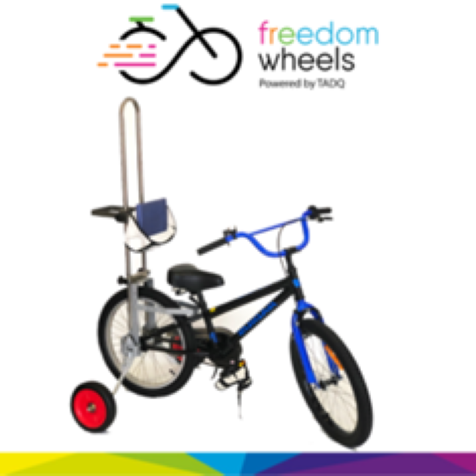
Adaptive bike riding allows children to experience the joy and freedom of cycling, regardless of physical ability. Modified bikes can include frame‑supported bikes, tricycles, or bikes with additional stability and seating supports.
Benefits include:
Improved leg strength and cardiovascular fitness
Increased independence and confidence
Outdoor enjoyment and family participation
Helpful resource:
Freedom Wheels – an Australian organisation that custom‑builds adaptive bikes to suit individual needs, making cycling accessible and enjoyable for children with disabilities.
🐎 Horseback Riding (Therapeutic Riding)
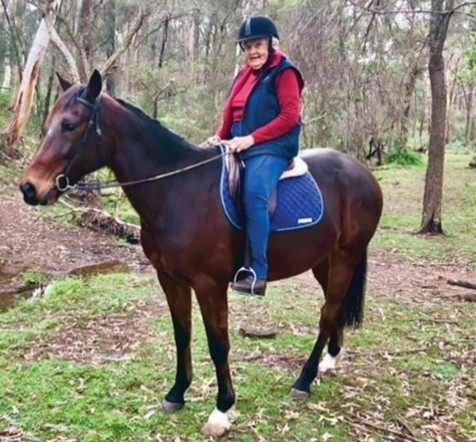
Therapeutic horseback riding, also known as equine‑assisted therapy, uses the movement of a horse to support physical, sensory, and emotional development. The rhythmic motion of riding can help improve posture, balance, muscle tone, and coordination.
Benefits include:
Enhanced motor skills and balance
Sensory integration and body awareness
Increased confidence and emotional regulation
Helpful resource:
Riding for the Disabled (RDA NSW) – provides tailored riding programs designed to meet each rider’s physical, cognitive, and emotional needs in a safe and supportive environment.
🏀 Wheelchair Sports
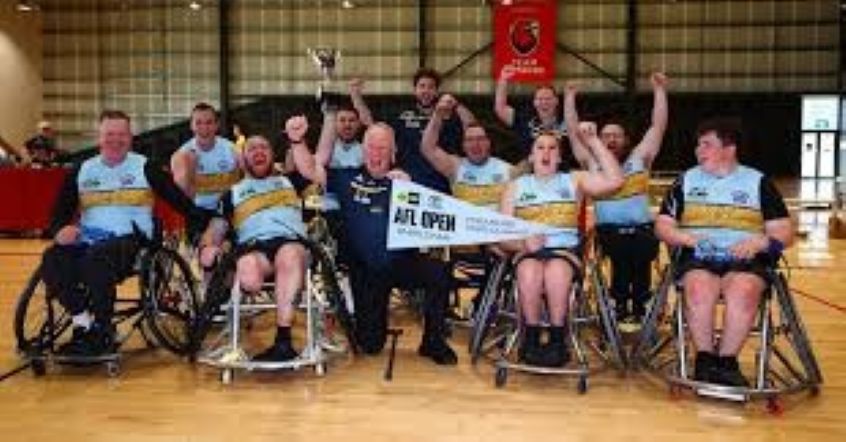
Wheelchair sports offer exciting, fast‑paced opportunities for children who use wheelchairs or have mobility challenges. Popular options include wheelchair basketball, wheelchair tennis, and wheelchair rugby.
These sports focus on skill‑building, teamwork, and fun, while also promoting physical fitness and social connection.
Benefits include:
Upper‑body strength and coordination
Team participation and peer connection
Opportunities for competition and skill progression
Helpful resource:
Wheelchair Sports NSW/ACT – offers a range of sports, clubs, and programs, including beginner sessions and wheelchair sport camps for children and young people.
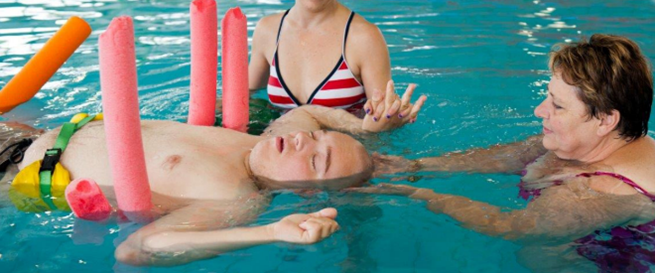
🏊 Swimming
Swimming is one of the most accessible and inclusive sports for children with disabilities. Water provides natural resistance while reducing impact on joints, making it ideal for children with physical, sensory, or developmental challenges.
Swimming programs are often adapted to individual abilities, with smaller class sizes, trained instructors, and accessible facilities.
Benefits include:
Improved muscle strength and endurance
Enhanced coordination and sensory regulation
Increased water safety skills and confidence
Helpful resource:
Rainbow Club – a network of swimming clubs across Australia that supports children with disabilities to learn to swim in a safe, inclusive, and welcoming environment.
Additional Resources and Support
Families may also find support and guidance through the following organisations:
Office of Sport (NSW): Provides information on inclusive sport initiatives and community programs
Cerebral Palsy Alliance – Accessible Sport Program: Helps children with disability access inclusive sport opportunities
RaisingChildren.net.au: Offers practical information for parents about disability, wellbeing, and activities
Disability Sports Australia: Supports pathways from grassroots participation to elite sport for people with disabilities
Final Thoughts
Every child deserves the chance to move, play, and feel included. With the growing range of adaptive and inclusive sport options available, children with disabilities can explore activities that suit their interests, strengths, and goals.
Whether it’s riding a bike, swimming with friends, playing wheelchair basketball, or connecting with a horse, sport can open doors to confidence, connection, and joy. By focusing on ability rather than limitation, we can help children discover what they can do – and celebrate every achievement along the way.
If you are a parent, carer, or educator, exploring local programs and support organisations can be a powerful first step in helping a child find a sport they love.
For any inquiries, please contact Ruby.

Ruby Wong
Senior Physiotherapist
Ruby supports mobility, strength, and physical development through tailored physiotherapy for kids, teens and young adults with disabilities.

Other Posts
Blog, Physiotherapy, Therapy, Tips
Helping Your Child Prevent and Manage Muscle Contractures
April 17, 2025
Please select a Depicter slider